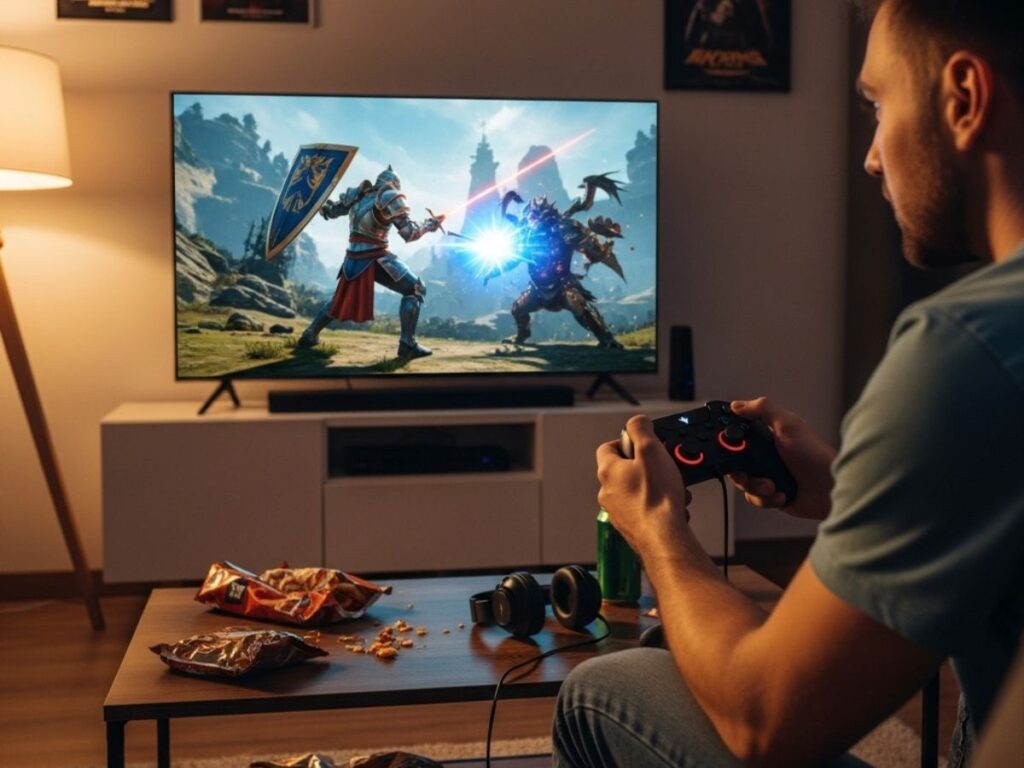
In competitive gaming, a split-second delay can be the difference between victory and defeat. Whether it’s dodging an enemy attack in a shooter, countering a move in a fighting game, or making the right pass in a sports title, reaction time plays a critical role. Unlike graphics or hardware, reaction speed is not something you can buy—it has to be trained, sharpened, and maintained. Gamers who dedicate time to improving their reflexes often find themselves climbing ranks faster, staying calmer under pressure, and performing more consistently across different titles. The good news is that reaction time can be improved with the right habits, exercises, and setup adjustments.
Why reaction time matters in gaming
Fast-paced games demand more than just strategy. They test your ability to process visual information quickly and respond instantly with precise movements. A delay of even a few milliseconds can cost you a match. For players aiming to compete online or simply enjoy smoother gameplay, working on reflexes is as important as practicing mechanics.
Also Read : Most Underrated Indie Games You Probably Missed
Train your brain and reflexes
Reaction time is partly mental. Playing reflex-based mini-games, using reaction training apps, or even simple exercises like catching a ball can sharpen your brain’s ability to recognize patterns and act faster. Consistency is key—short daily sessions are more effective than long irregular ones.
Optimize your gaming setup
Hardware can impact how quickly your actions register in-game. Using a monitor with a higher refresh rate, reducing input lag by connecting peripherals directly, and choosing a responsive mouse or controller all make a difference. Even something as small as lowering visual clutter in settings can help you spot enemies faster.
Focus on physical fitness and health
Your body affects your in-game performance more than many realize. Regular exercise improves blood flow and reflexes. Proper sleep sharpens focus, while a balanced diet prevents fatigue during long sessions. Hand-eye coordination drills, like table tennis or speed drills, are particularly effective for gamers.
Also Read : Best indie games on Xbox Game Pass right now
Build the right habits during gameplay
Small adjustments in how you play can lead to quicker responses. Keep your posture upright, hands relaxed, and eyes scanning the screen rather than fixating on one spot. Anticipating enemy movement, rather than only reacting to it, is another way to stay ahead. Practicing with faster game modes or training maps can help condition your reflexes for competitive matches.
FAQs
Q1: Can reaction time really be improved?
Yes. With consistent training, both mental and physical, you can noticeably reduce your response time in games.
Q2: Does age affect reaction speed in gaming?
Reaction time tends to slow with age, but regular practice, fitness, and proper habits can offset the decline significantly.
Q3: Will better gear instantly improve my reflexes?
Better gear can reduce technical delays, but your personal reaction speed still depends on practice and focus.
Q4: How long does it take to see improvements?
Most gamers notice progress within a few weeks of consistent training and lifestyle changes.
Q5: Are there specific games to train reflexes?
Yes. Rhythm games, aim trainers, and fast-paced shooters are excellent for building reaction speed.