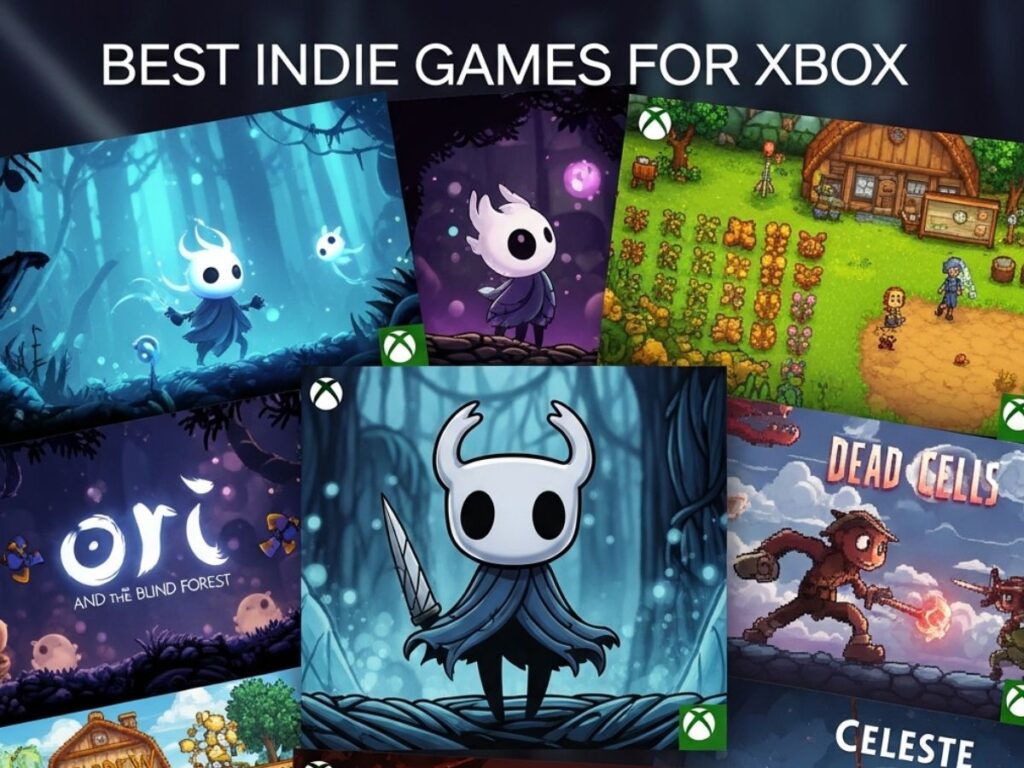
Indie games have gone from small passion projects to global hits, with titles like Hollow Knight, Stardew Valley, and Hades proving that big budgets aren’t the only way to succeed. But behind the pixel art, clever storytelling, and unique gameplay, there’s a question many gamers and aspiring developers ask: how do indie games actually make money?
The answer isn’t one-size-fits-all. Indie developers rely on a mix of digital storefronts, streaming platforms, crowdfunding, and creative business models to survive in a market dominated by AAA publishers. Understanding these revenue streams not only explains the rise of indie games but also shows why more small studios are taking risks and finding success.
Also Read: How to improve reaction time in fast-paced games
Digital storefront sales
The most common way indie games make money is through direct sales on platforms like Steam, Epic Games Store, PlayStation Store, Xbox Marketplace, and Nintendo eShop. These platforms allow developers to publish globally and reach millions of players. Steam is especially key, as its discoverability tools, seasonal sales, and community features often give indies a boost.
Crowdfunding campaigns
Many indie studios turn to Kickstarter, Indiegogo, and Patreon before their game is even released. By pitching their idea and sharing early prototypes, they build a community willing to fund development. This not only provides upfront cash but also creates a loyal fanbase ready to support the launch.
Subscription services
Xbox Game Pass, PlayStation Plus, and Apple Arcade have opened new doors for indie developers. Getting a game featured on these services can provide a guaranteed payout or a steady stream of revenue while giving the game exposure to millions of players.
Also Read: Best indie survival games to play with friends
Merchandising and expansions
Popular indie games often expand beyond the game itself. Limited-edition merch, soundtracks, art books, and even plush toys can become additional income sources. Expansions, DLCs, or special editions also keep revenue flowing long after launch.
Word of mouth and streaming
YouTube, Twitch, and TikTok play a huge role in indie success. Viral clips, streamer playthroughs, and word-of-mouth buzz can transform a small game into a best-seller almost overnight. The more attention a game receives on these platforms, the more sales it drives.
Publisher partnerships
Some indie studios partner with mid-sized publishers who focus on indie titles. These publishers often help with funding, marketing, and distribution in exchange for a cut of the revenue. While it reduces independence slightly, it can greatly increase visibility.
FAQs
Q: Do all indie games make money?
Not all indie games are profitable. Many projects struggle to cover development costs, but creative marketing and community support improve the chances of success.
Q: How much do indie developers earn per game?
Earnings vary widely. Some make only a few hundred dollars, while breakout hits like Stardew Valley have generated millions.
Q: Do free indie games earn revenue?
Yes. Free indie games often make money through ads, in-game purchases, or optional donations.
Q: Which platform is best for indie games to make money?
Steam remains the most popular platform, but Xbox Game Pass and Nintendo Switch have also proven extremely profitable for many indie titles.